Two very different things hide behind the word “exchange”
Two very different things hide behind the word "exchange" A customer wants a medium instead of a large. Simple enough. Here is what makes it hard. To say yes, you have to promise them th...
Jennie Gerum
December 2, 2025
6 min
The past few weeks I’ve been talking to retailers and ecommerce teams nonstop.
Everyone’s in peak mode. Everyone’s understaffed. Everyone’s tired.
You know it’s bad when even the CEO jumps into customer service. When customer service staff are buried under claims they can’t get through fast enough.
When warehouse staff are standing in front of mountains of incoming returns, many of them blind, with no idea what should be prioritized first.
And the proformas… still handled manually, one by one, every single week.
And I’ve seen the customer side too.
I did my own Black Friday shopping – and some of the return and claim flows honestly shocked me.
No instructions.
Print-your-own-label (from what printer??).
Return first, hope for the best later.
I stood there thinking:
Will I even get my money back?
Will this end up in the right place?
Why does this feel like sending a package into the void?
And then the waiting.
Ten days for a refund – on an order of 8,000 SEK.
Was I nervous? Absolutely.
Every conversation with retailers this season ends in the same place:
Returns and claims don’t just “add pressure” during peak.
They take over the entire company.
Customer service is overloaded.
Warehouse teams burn out.
Margins evaporate.
And customers are left completely in the dark – exactly like I felt with my own order.
Everyone is focused on surviving the next hour, not improving the next year.
And then it hit me:
Retail doesn’t need another glossy “Post-Purchase Trends 2026” report.
Teams need a way to pause the chaos long enough to actually think.
Whenever I’m helping retailers rethink their post-purchase operations, the biggest breakthroughs never come from bigger teams, more tools, or more meetings.
They come from thought experiments – simple, hypothetical constraints that force a shift in perspective.
They help teams see what’s hiding underneath the daily avalanche of returns, claims, refunds, emails, and exceptions.
So in this post, I’m sharing 5 thought experiments I’ve been using with retailers this peak season – prompts that cut through the noise and reveal what actually needs to change going into 2026.
Let’s dive in.
The prompt
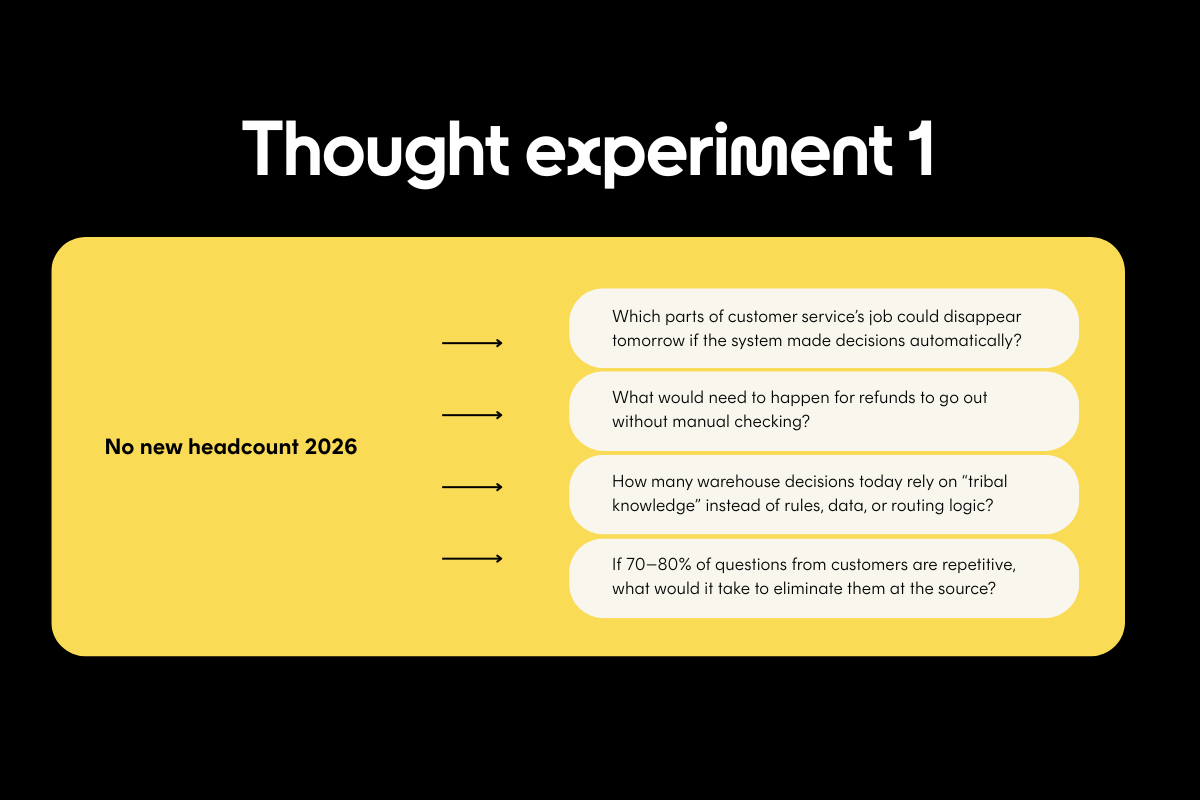
Imagine you’re not allowed to hire a single extra person in 2026.
Not in customer service.
Not in warehouse.
Not in the back office.
But your return volume goes up.
Your cross-border markets grow.
Your claims keep increasing.
What breaks first?
Why this matters
Most retailers still scale returns with people, not process.
But 2026 won’t allow it. Margins won’t allow it.
And your team definitely won’t survive another peak like this one.
The constraint forces a harder question:
If we can’t add people, what has to change in the workflow itself?
Consider this…
The prompt
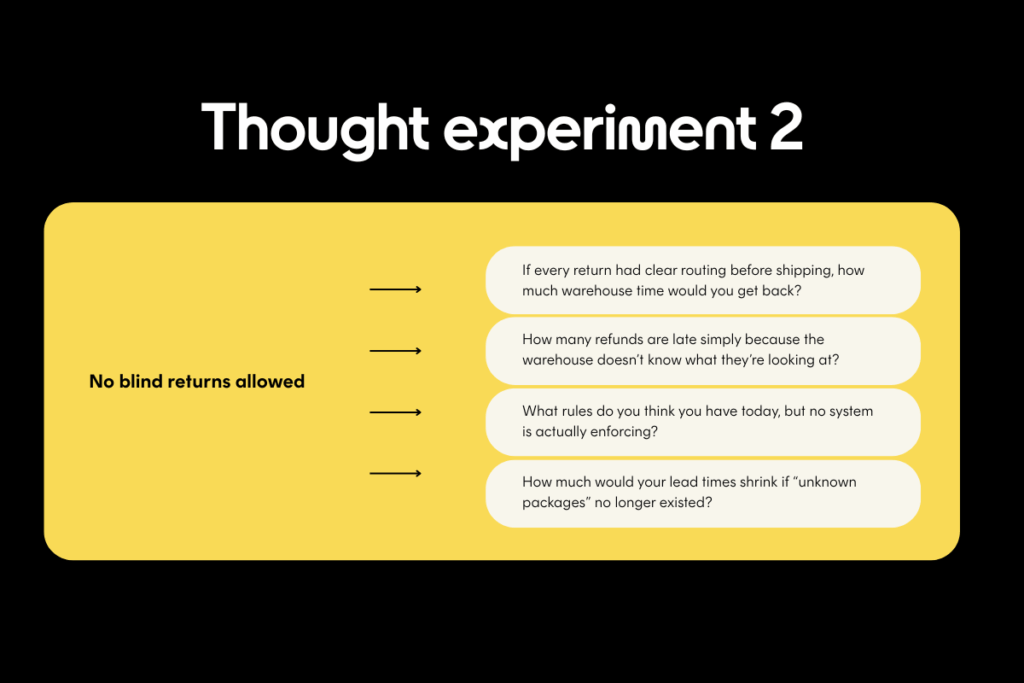
Imagine you’re not allowed to receive a single blind return in 2026.
Every return needs to be pre-registered, documented, and routed before it even reaches your warehouse.
How much chaos would disappear instantly?
Why this matters
Blind returns are one of retail’s quiet killers:
Wrong destination.
Missing data.
Products sitting for days because no one knows what they are.
Warehouses drowning in manual sorting while customer service is blamed for delays.
Eliminate blind returns → you eliminate half the noise.
Consider this…
The prompt
Imagine your leadership tells you:
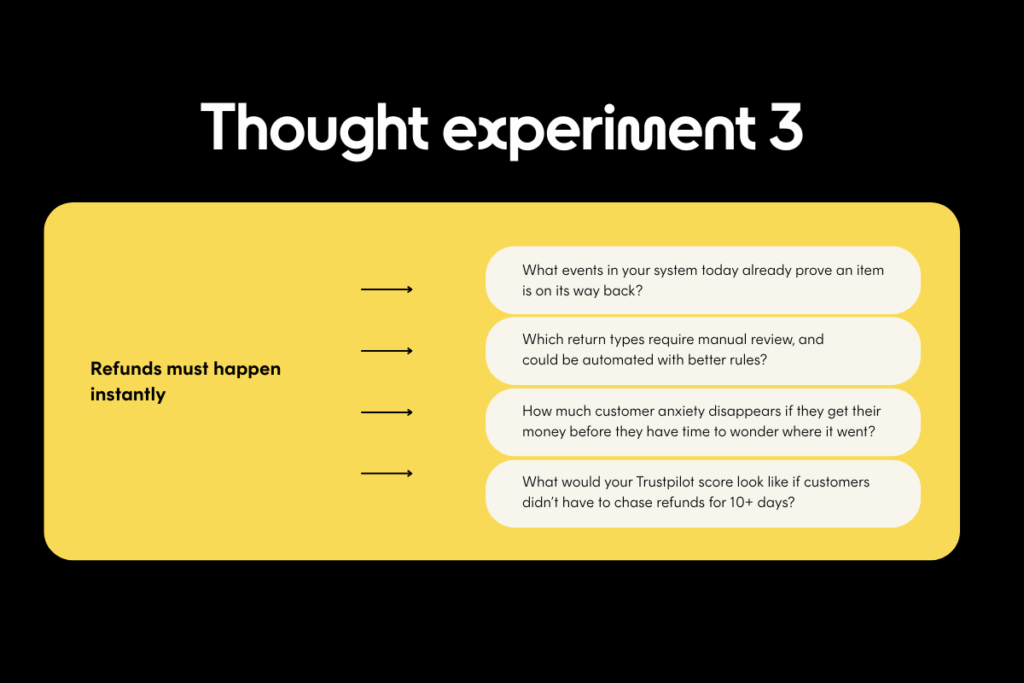
“In 2026, refunds must happen instantly at drop-off for 80% of customers.”
No exceptions.
No manual checking.
No waiting for the product to physically arrive.
What would need to be true?
Why this matters
This is what customers already expect.
It’s what payment providers are designing around.
And it’s what competitors will adopt sooner than people think.
Instant refunding isn’t a “nice to have.”
It’s a loyalty driver.
A conversion driver.
And a pressure release for customer service.
Consider this…
The prompt
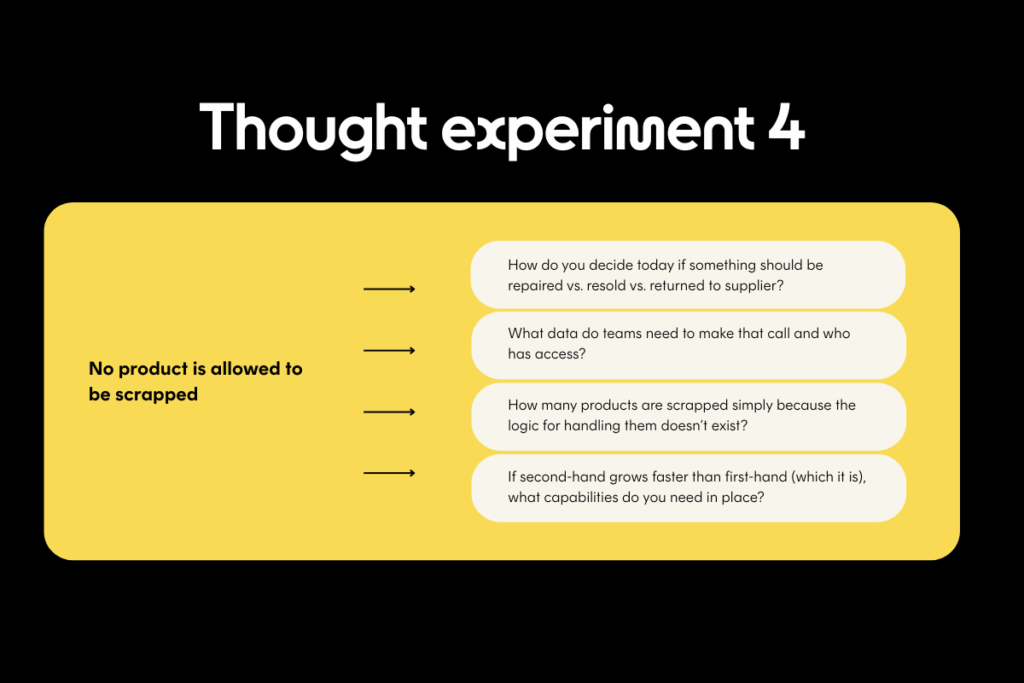
Imagine you’re not allowed to scrap a single product in 2026.
Every item must go to repair, second-hand, outlet, supplier return, or another responsible route.
Nothing is allowed to go to waste.
Now what breaks?
Why this matters
This is exactly where legislation is heading.
Repair will be mandatory.
Circular flows will be expected.
And products will need “second lives” built into the operations stack – not added as an afterthought.
And the systems that retailers use today?
Most can’t handle even the first life properly.
Consider this…
The prompt
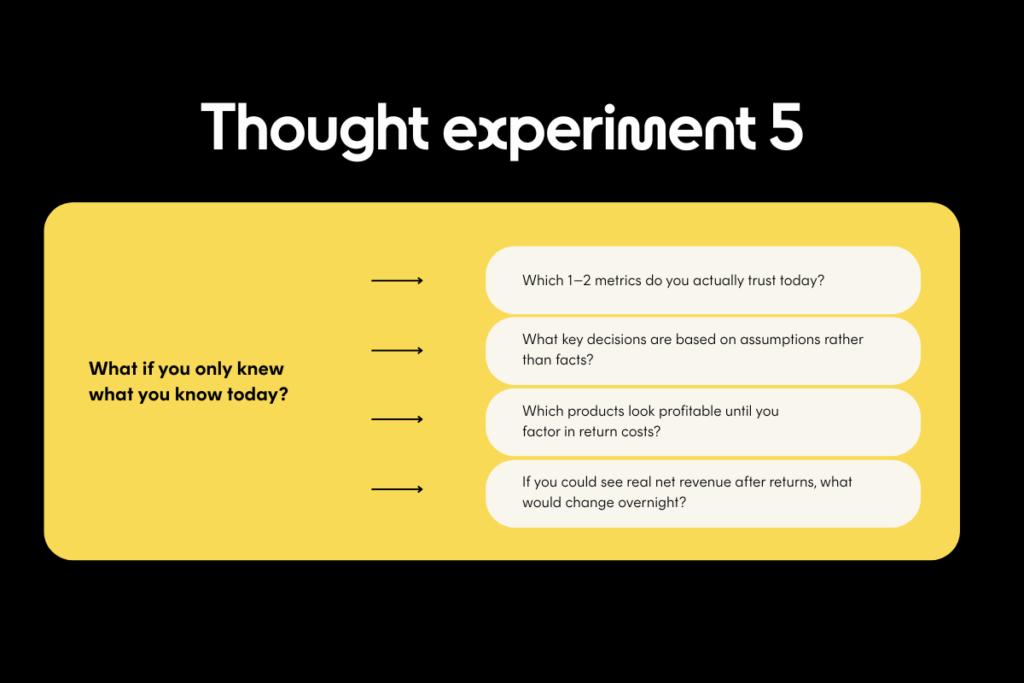
Imagine you had to run your entire 2026 returns and claims strategy based only on the data you have access to right now.
No new dashboards.
No deeper insight.
Just what your teams can actually see today.
How confident would you feel?
Why this matters
The biggest issue I see in retail isn’t high return rates – it’s that most teams have almost no visibility into what returns really cost.
They don’t know:
So decisions get made on gut feeling instead of data.
This experiment forces a simple question:
If we only had today’s visibility i could we make good decisions?
Consider this…
Because most retailers don’t have a returns problem.
They have a visibility problem.
If there’s one thing this peak season made clear, it’s this:
Retail teams aren’t the problem — the systems are.
They weren’t built for today’s volumes, complexity, or customer expectations.
These thought experiments aren’t about predicting the future.
They’re about finally seeing the present: the manual steps, the blind spots, the margin leaks everyone has learned to tolerate.
And once you see the real problems, the path forward becomes obvious:
Automate the work that drains your team.
Route products based on data, not guesswork.
Give customers clarity instead of anxiety.
Make profitability visible.
Retail doesn’t need bigger teams — it needs better infrastructure.
And the retailers who start fixing this now will be the ones ahead of the chaos in 2026, not swallowed by it.
Two very different things hide behind the word "exchange" A customer wants a medium instead of a large. Simple enough. Here is what makes it hard. To say yes, you have to promise them th...
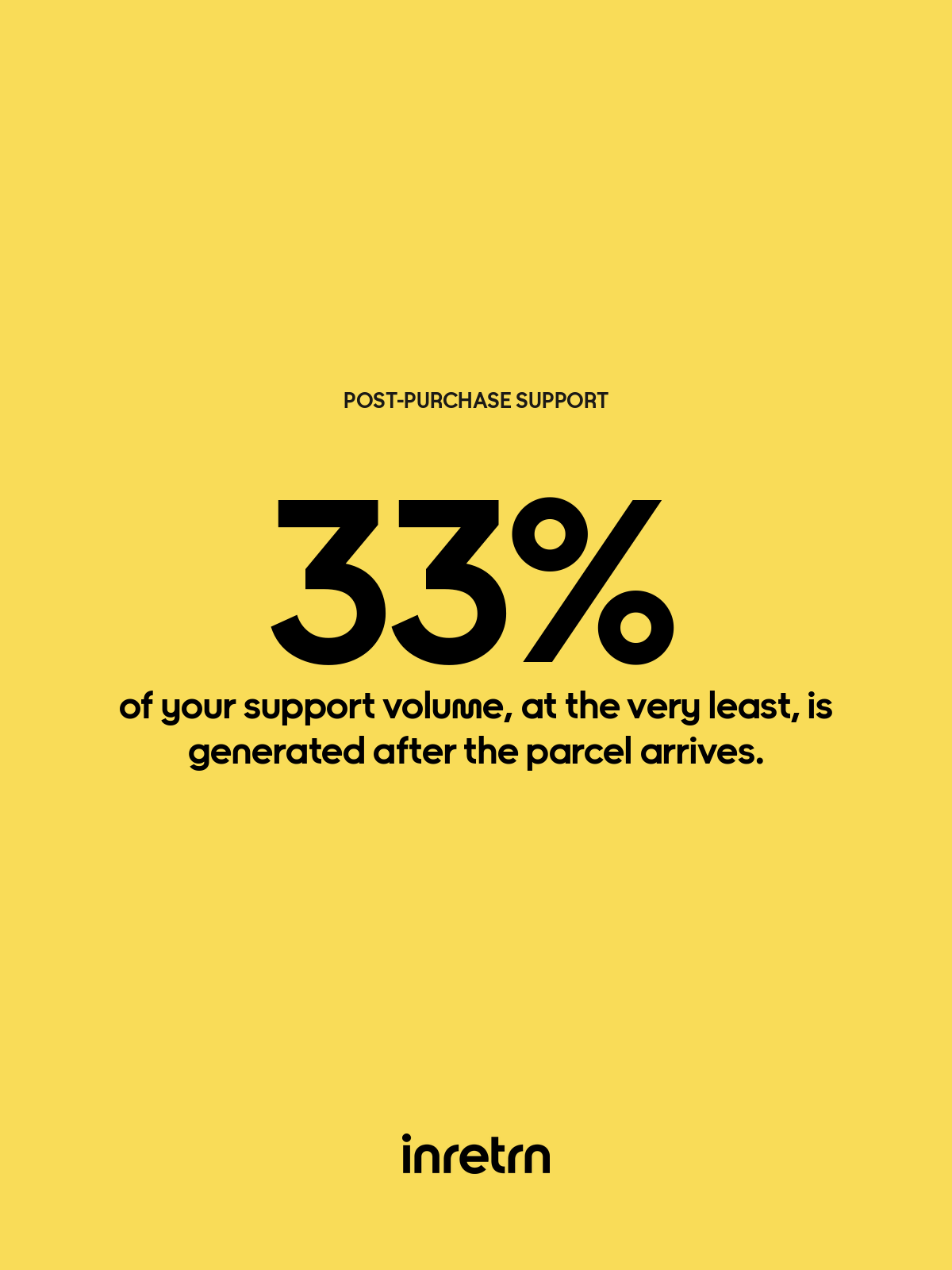
The best returns experience generates no tickets at all Every team we speak to says the saving is customer service time. Almost nobody has counted it, and almost everybody is measuring the ...
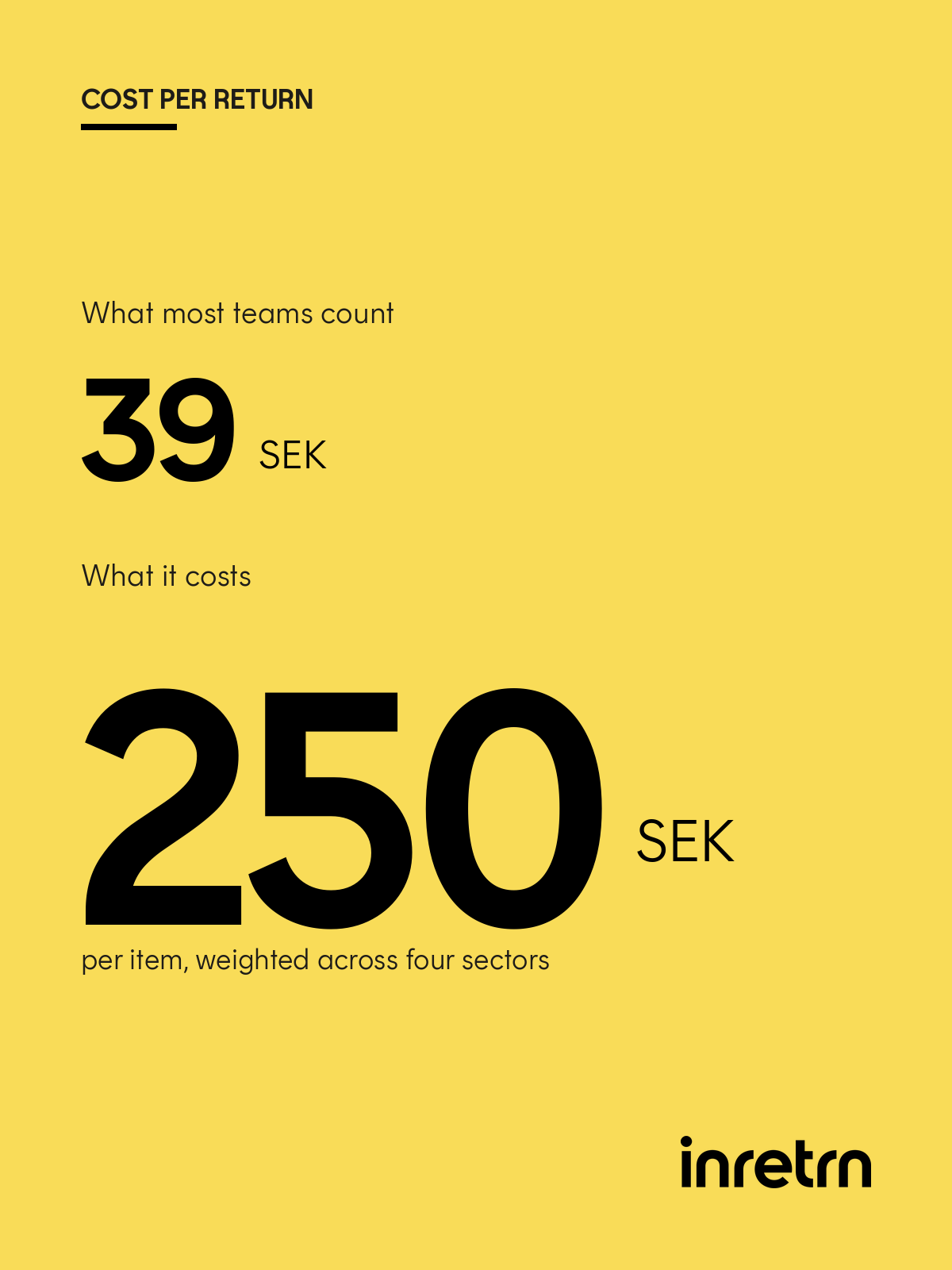
The 4 costs missing from your cost per return Most returns business cases lose internally because the number at the top is too low. Here is where the missing money sits, where the data lives ...